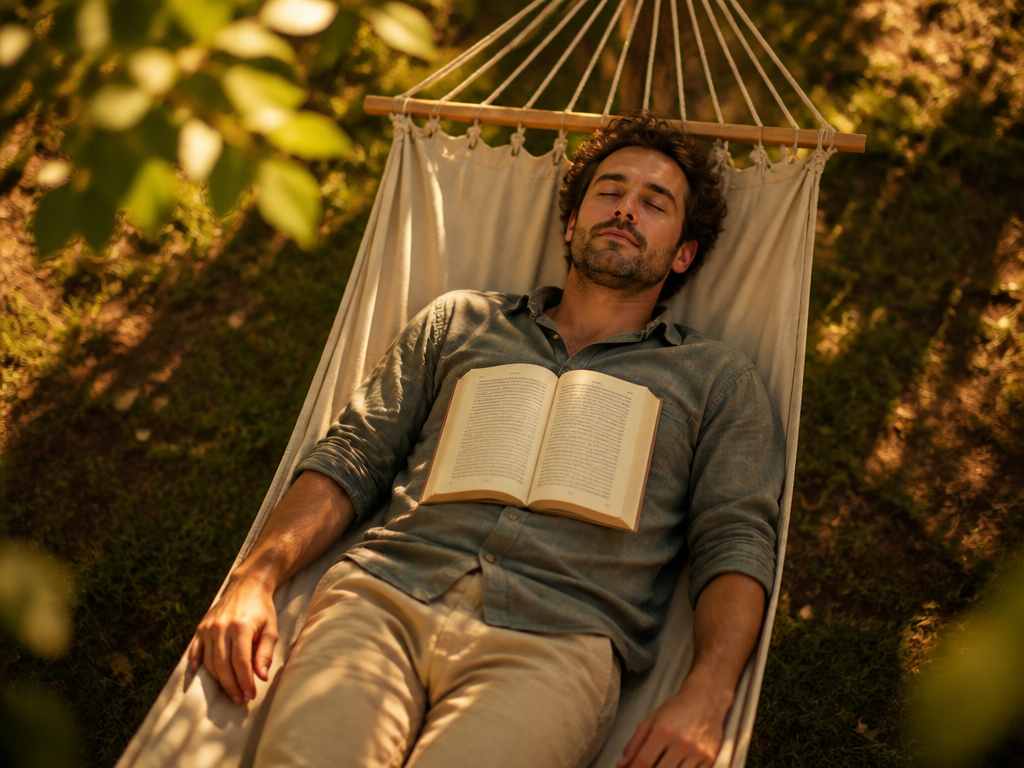
The nap didn't work. That was the first thing.
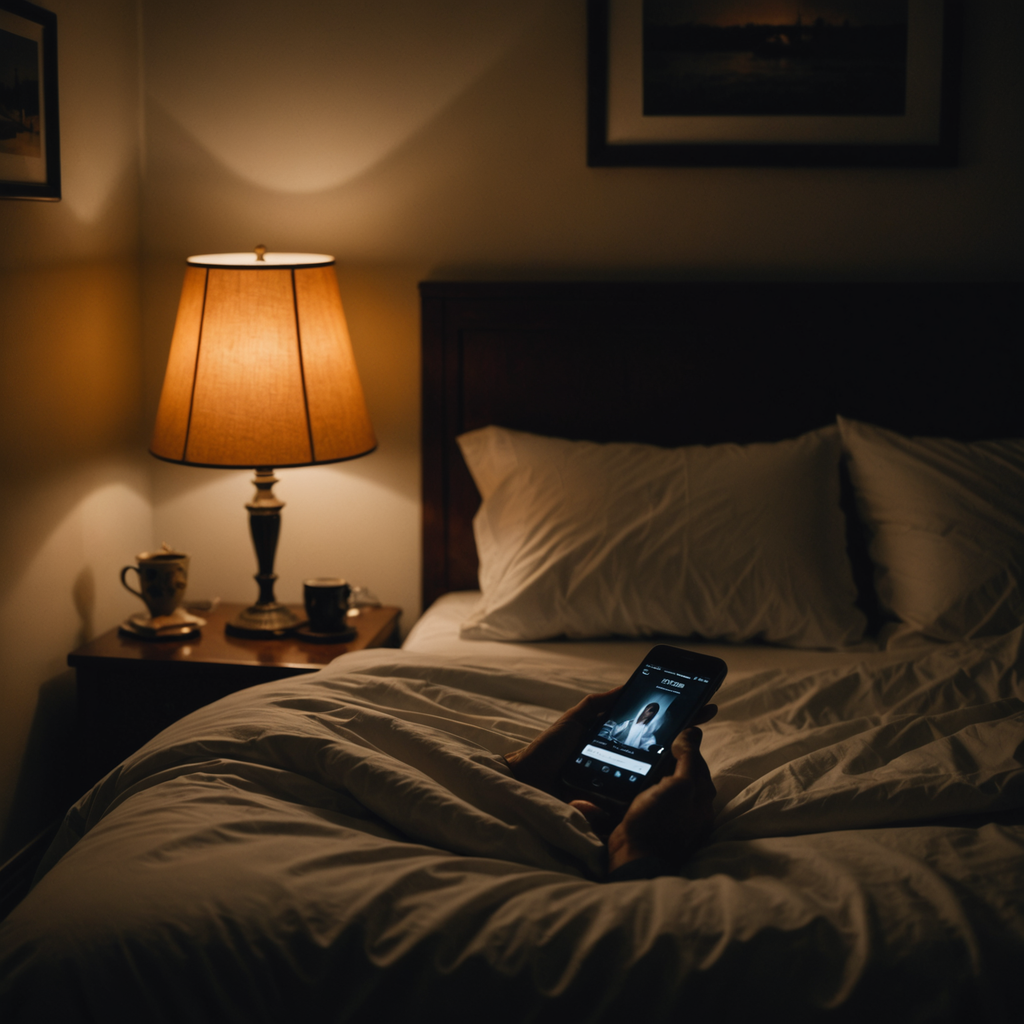
I'd set a timer for twenty-five minutes, closed the blinds so the room went the color of weak tea, and laid down on top of the comforter with my shoes off and my socks on, which is how I've always done it, and for about ninety seconds I felt something loosen in my chest. Then my hand went to the nightstand. I didn't decide to do it. The hand just went, the way a hand goes to a railing on stairs. I read four paragraphs about a boat that had run aground somewhere off the coast of Norway, watched most of a video about a man restoring a rusted hand plane, and then the timer went off and I got up feeling like I'd been chewed on.
That was a Tuesday in March. I remember because I had a dentist appointment at four and I sat in the waiting room afterward thinking about the hand plane guy, how patient he was with the rust, how he didn't seem to be in a hurry about anything.
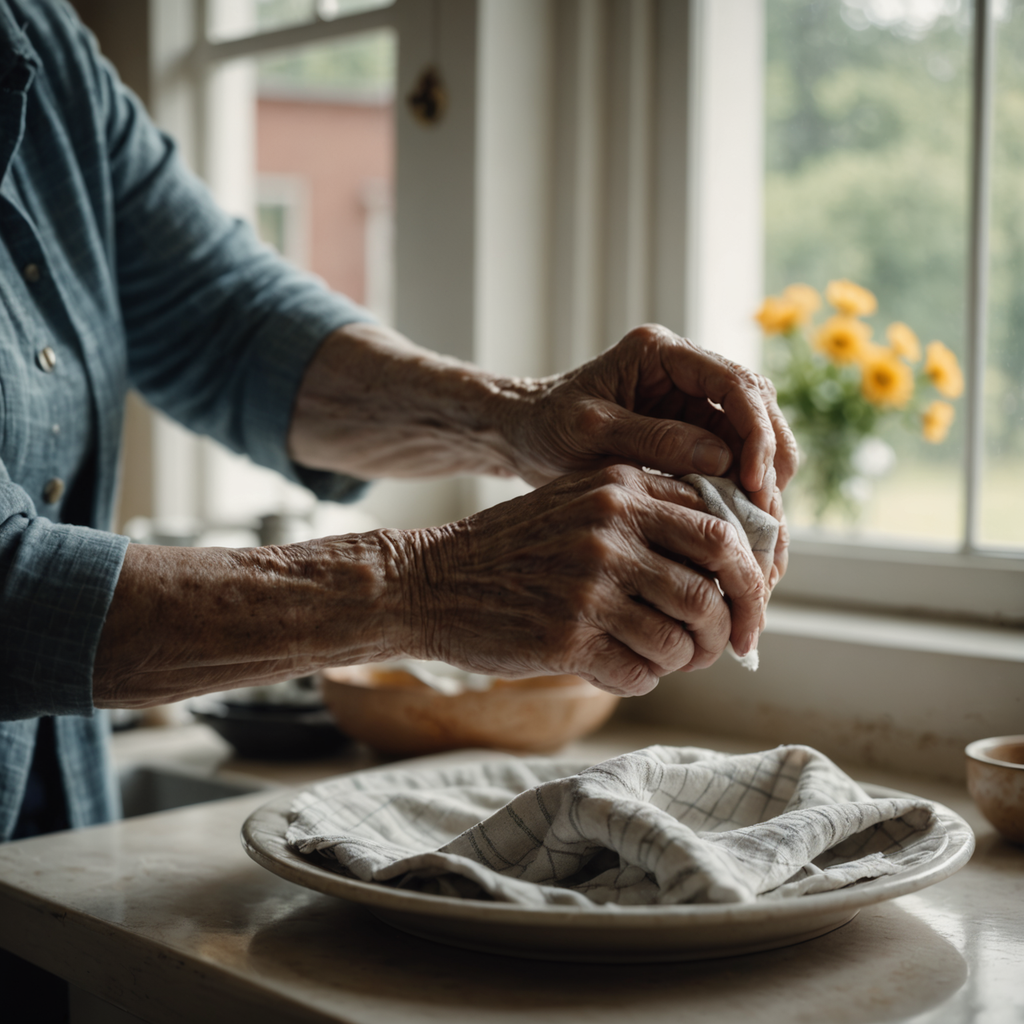
My grandmother had a plot behind her house in Ohio that she stopped working the year my grandfather died. Not dramatically. She just didn't go out there in April the way she had every April, and by June it had gone to chicory and thistle and something with tiny white flowers that I now know was bindweed, and by the following summer you couldn't see the stakes she'd used for tomatoes. I was maybe eleven. I asked her about it once while she was rinsing dishes, and she said, without turning around, "Oh, it's resting." Then she said something about the water pressure being bad, and that was the whole conversation.
I thought she was making an excuse. Eleven-year-olds are ruthless about excuses. I thought she meant *I gave up and I don't want to say so.* It took me most of my adult life to consider that she might have meant exactly what she said, and that she knew something about ground I didn't.
Because here's what I'd been doing instead, for roughly two decades: nothing, constantly, in a way that produced nothing. Evenings on the couch with the television going and the phone in my hand and a second screen open on the laptop, three fields being worked at once, none of them yielding. I called it downtime. It felt like downtime. I'd get to eleven at night and feel like I'd been hauling something up a hill all day, and the hill wasn't even work — the hill was the part after work, the part that was supposed to give something back.
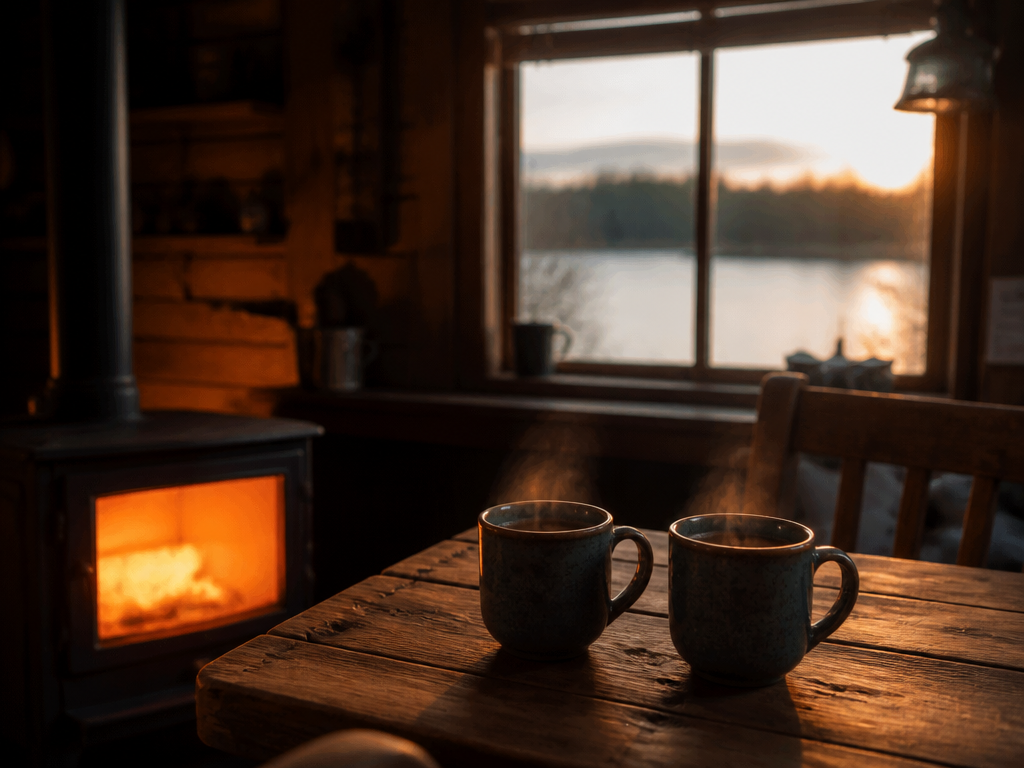
The cabin was my wife's idea, and I want to be honest that I agreed to it the way you agree to a colonoscopy. Four days in October, no service, a woodstove, a shelf of paperbacks somebody else had abandoned. I brought a book I intended to finish and a notebook I intended to fill.
The first day I nearly drove into town twice. There's a specific feeling I hadn't had since childhood — a kind of buzzing behind the sternum, a wrongness, like I'd forgotten to do something and couldn't remember what. I swept a floor that didn't need sweeping. I reorganized the woodpile by diameter. At one point I stood at the kitchen window for probably eleven or twelve minutes watching a squirrel work at something on a stump, and when I came back to myself I felt embarrassed, which is an insane thing to feel when nobody is watching and you are on vacation.
The second day was worse. Around three in the afternoon I sat down in a chair by the window with no plan and no object in my hands, and what came up was not peace. What came up was a conversation I'd had with my brother in 2019 that I'd never gone back over, and then a small hot shame about something I said at a dinner party, and then, weirdly, the smell of the hallway in my elementary school. It all just came up, unsorted, like the ground turning over. I sat there for an hour. It was not pleasant. I did not feel enlightened. I felt like someone had opened a closet I'd been leaning against.

But that night I slept nine hours without moving, and I woke up in that gray cabin light thinking about nothing at all, and I lay there and let it be nothing, and it was the first morning in years that didn't start with me reaching.
My friend Dana called a few weeks after we got back. She'd had her gallbladder out in August and was in the middle of the strange, humiliating slowness that follows abdominal surgery — she couldn't lift her own dog, couldn't drive for a while, was going to bed at eight-thirty like a child.
"I keep waiting for it to feel productive," she said. "Like, healing. People say healing like it's a project." She laughed. "It's mostly just being bored and slightly damp."
I asked if she was going stir-crazy.
"The first week, sure. Now it's — I don't know." There was a pause, and I could hear her television going somewhere behind her. "I've been thinking about my mother a lot. Not sad. Just, she keeps coming up." Then she said she needed to hang up because the dog was doing something.
She didn't explain what she meant, and I don't think she could have. But I understood it. When you stop moving, the things you've been outrunning catch up, and it turns out most of them aren't chasing you. They're just walking at their own pace and would like to be acknowledged. Her mother had died in 2016. Dana hadn't stopped since.
What surprised me — what still surprises me — is how little the good part announces itself. There was no arrival. I keep wanting to describe some threshold I crossed, and there isn't one. What there is instead: I noticed in November that I'd read an actual book, the whole thing, in the evenings, and I couldn't tell you when that started. I noticed that I'd stopped putting on a podcast to walk to the mailbox. Small things came back that I hadn't known were gone. The capacity to be mildly bored in a doctor's waiting room without feeling attacked by it. The ability to eat lunch alone.
I don't want to oversell this. I still reach. Last Thursday I picked up my phone during a commercial break and finished the evening two hours later having watched a man in Osaka assemble a wooden joint with no nails, and I regret nothing about that, and also I know what I traded for it.
But something is different in how I understand what I'm doing when I do that. I'm not resting. I'm putting a tarp over the ground so I don't have to look at what's underneath. And a tarp keeps the weeds down, sure. It also keeps everything else down.
My grandmother went back out there eventually. Not the whole plot — a strip along the south fence, maybe eight feet, tomatoes and one row of beans. She was seventy-nine. I was in college and came home for a weekend and found her out there with a hand fork, working the dirt loose, and the soil was black and crumbly and full of worms in a way it never was when she'd been at it every year. I said something about how good it looked.
She said, "Well. It had time."
That's it. That's the whole exchange. She went back to the beans and I went inside to find something to eat, and I didn't think about it again for twenty years.
I'm sitting in the same chair I always sit in, past ten, and the house is doing the thing houses do when the heat cycles off — a small tick somewhere behind the wall, then another, wood letting go of the day's warmth. My phone is face-down on the arm of the chair. The tick comes again, a little further along the wall, moving away from me.