I keep a small spiral notebook in my coat pocket, the kind with a wire spine that catches on the lining. I bring it to concerts. To films. To the two or three museums in this city I still visit alone. And the function of that notebook, if I'm honest about it, is not to remember anything. It's to give my hands something to do that looks like thinking so that no one, including me, has to notice that I am about to cry.
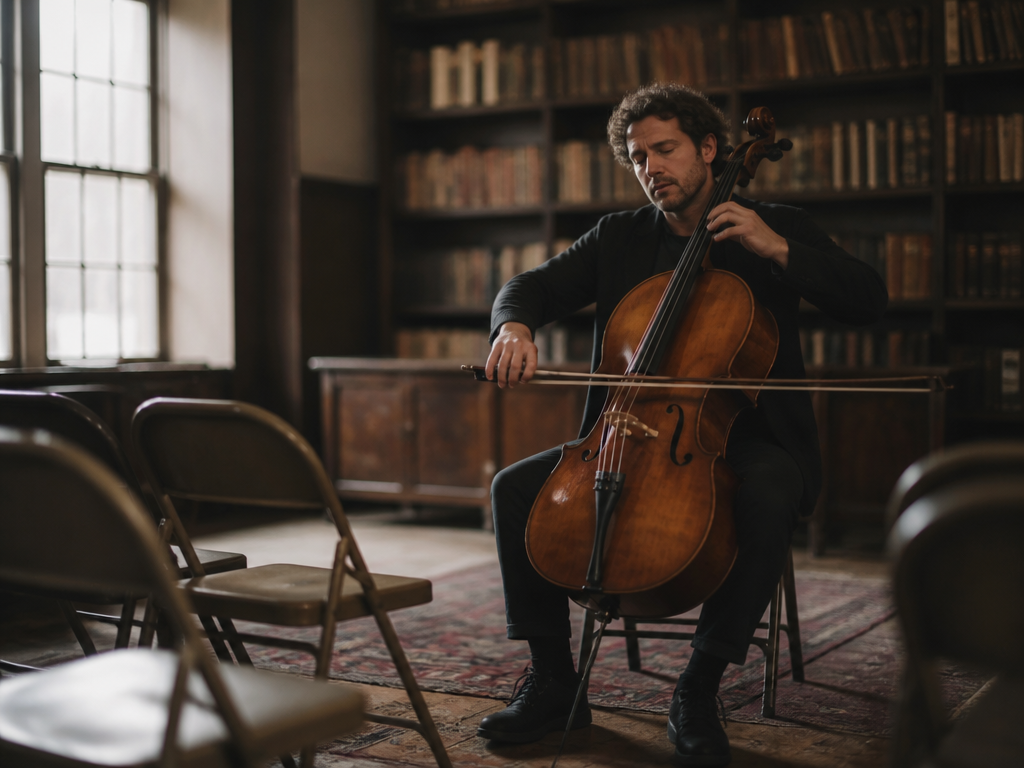
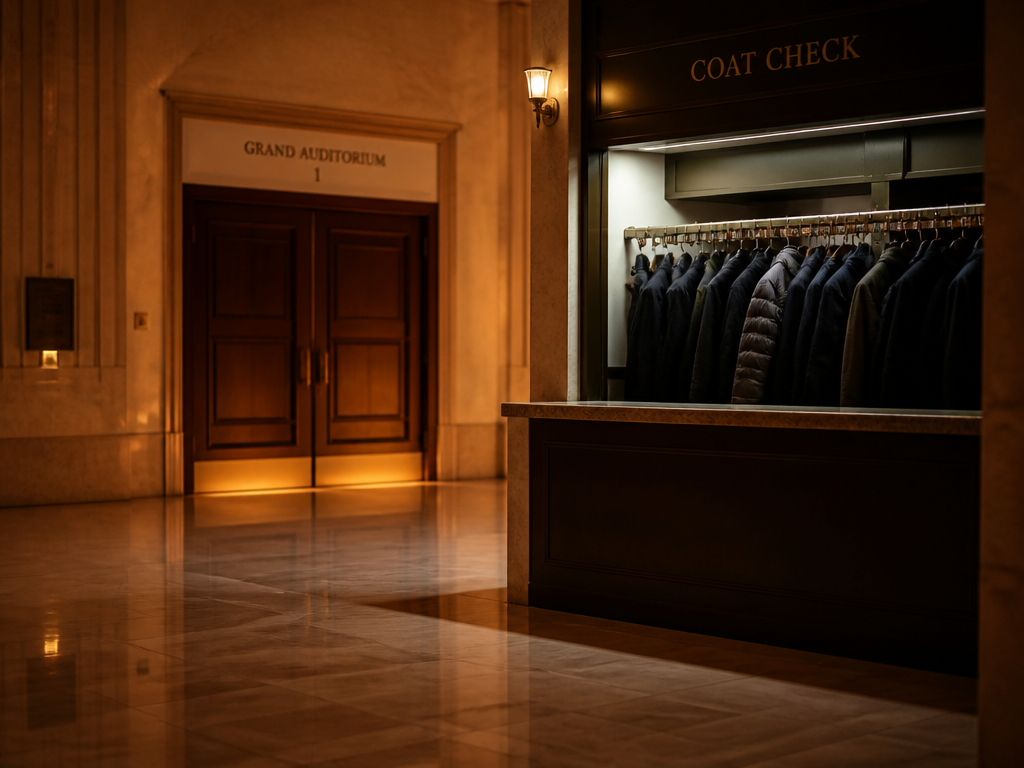
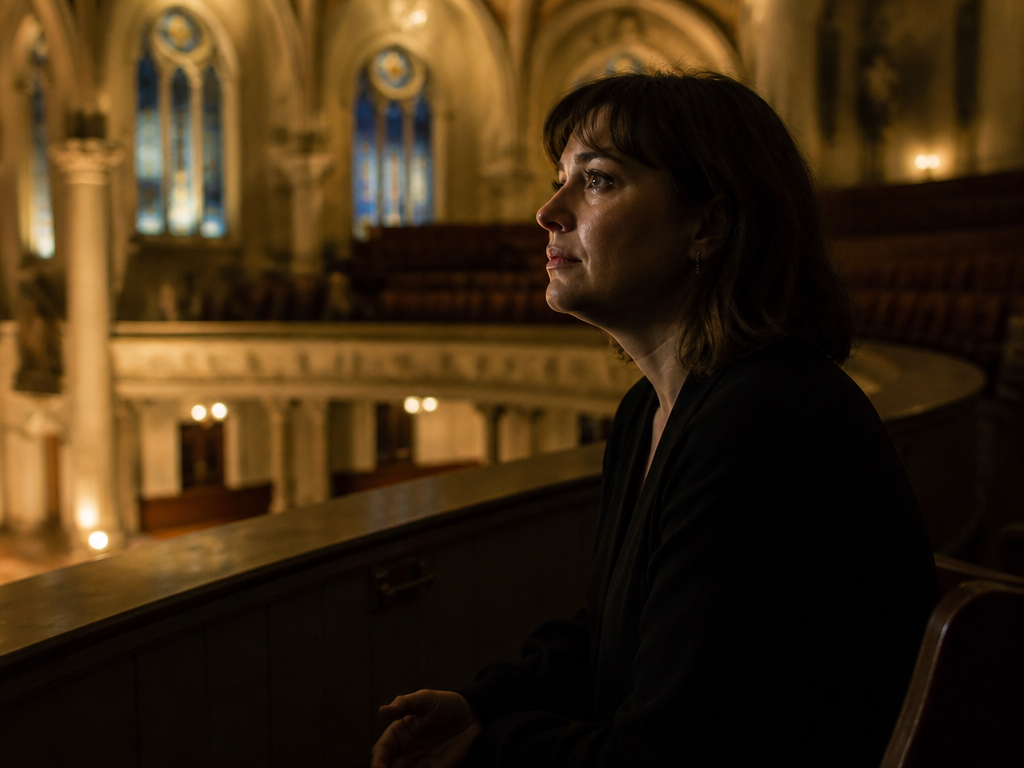
The first time I understood this clearly was at a string quartet in a half-empty hall, a Tuesday, the radiators ticking. They played the slow movement of something I won't name because naming it would let me start performing again. And about ninety seconds in, my throat did the thing it does — that tightening just below the jaw, like a hand closing. So I uncapped the pen and wrote: *cello entrance delayed, deliberate, creates suspension.* I wrote: *minor sixth, recurring.* I have no formal training in music. I do not actually know what a minor sixth sounds like in isolation. But the words sat on the page like a fence, and I stood behind them, and the danger passed. I left the hall composed, congratulating myself on my attentiveness, my ear, my refined and discerning response. What I had actually done was refuse the entire experience and write a report about a building I never entered.
I think I learned the notebook a long time before I bought one. There was an evening, I must have been ten or eleven, watching some film with my father — a man dying, a son arriving too late, that whole machinery. I felt my chin start to go. And without taking his eyes off the screen my father said, not unkindly, "They really manipulate you with that music, don't they. You can hear them doing it." He meant it as a kind of gift, I think. He was showing me the trick so I wouldn't be fooled by it. And I took the gift. I sat there and listened for the strings and felt the most enormous relief, because now I had something to do with my face. I could look like a person noticing a technique instead of a boy who wanted his father to live forever. From then on, whenever the feeling came, I went looking for the wires.
What nobody told me, what I had to find out the slow way, is that the looking is not separate from the feeling. It is the feeling, wearing a coat. You don't analyze a piece of music to death because you're cold. You do it because you're so undefended that the only way through is to build something between yourself and the thing in real time. The fence isn't proof you don't care. The fence is the size of how much you do.
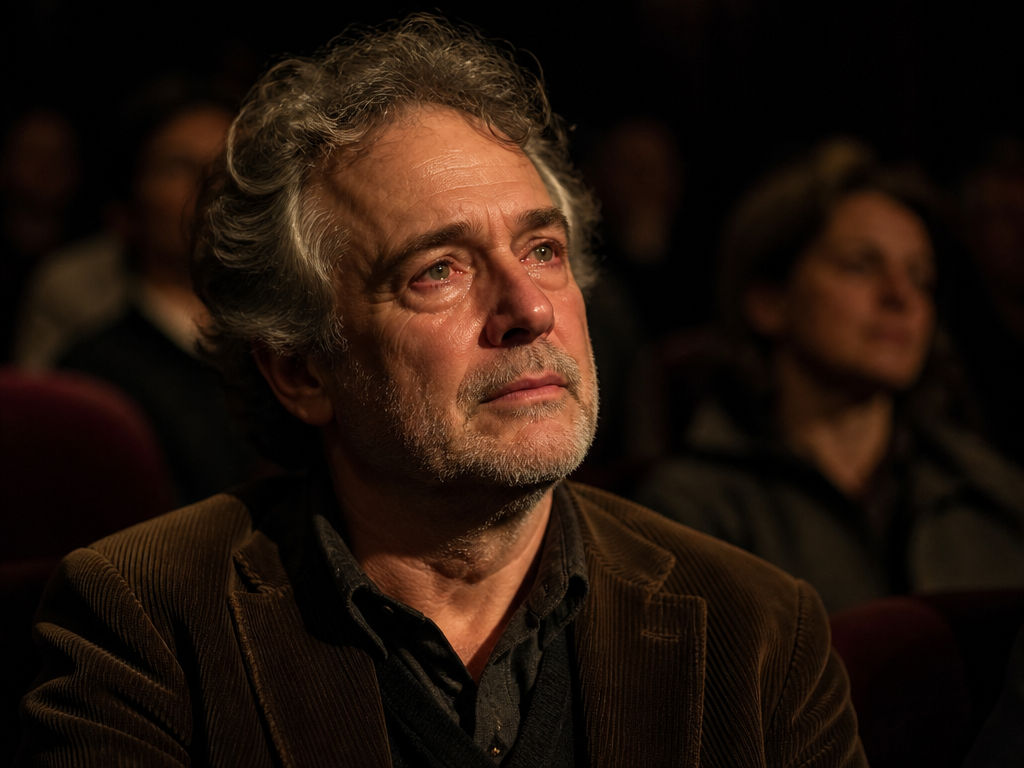
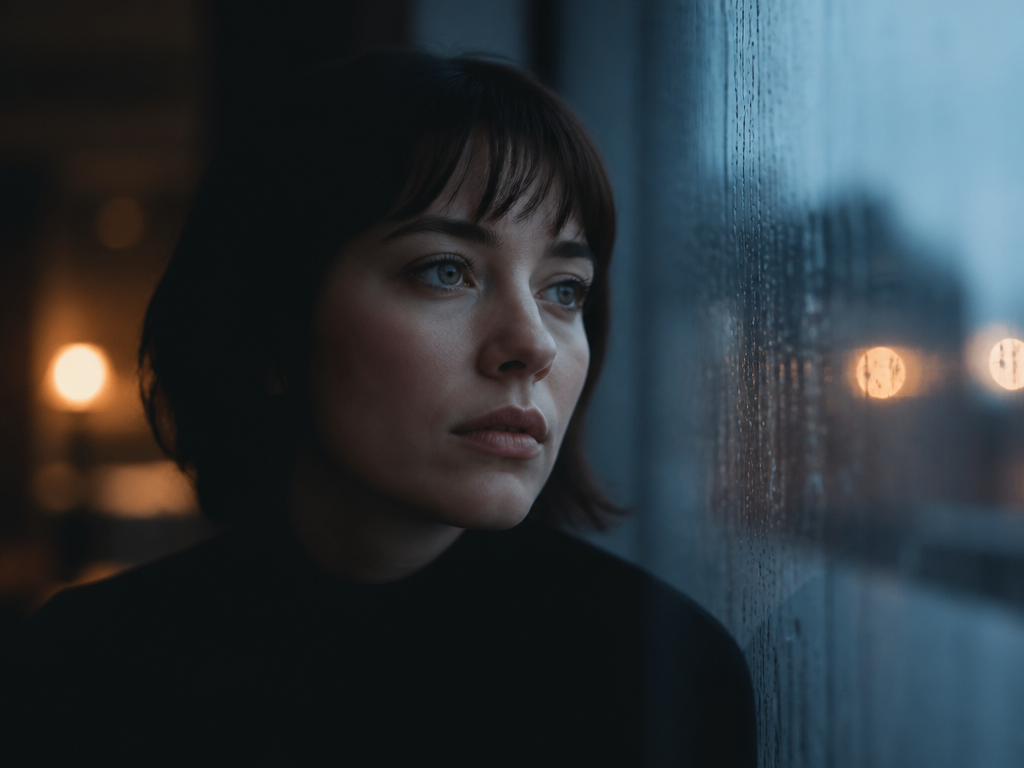
There was an afternoon the fence simply fell down. A small painting, in a corner room most people walked past — a woman at a window, the light doing something I still can't describe and won't try to, because trying to describe it is the whole disease. I had my notebook out. I wrote two words and then I couldn't find the third. The vocabulary just wasn't there. The analysis had nothing to grab, no technique to point at, no wire to expose, and so for once there was no fence and I stood in front of this woman at her window and cried in a way that embarrassed a guard enough that he drifted toward the next room to give me privacy. I remember thinking, with real panic: I don't understand what is happening to me. And underneath the panic, something that felt almost like being let out of a small room I'd been sitting in for thirty years.

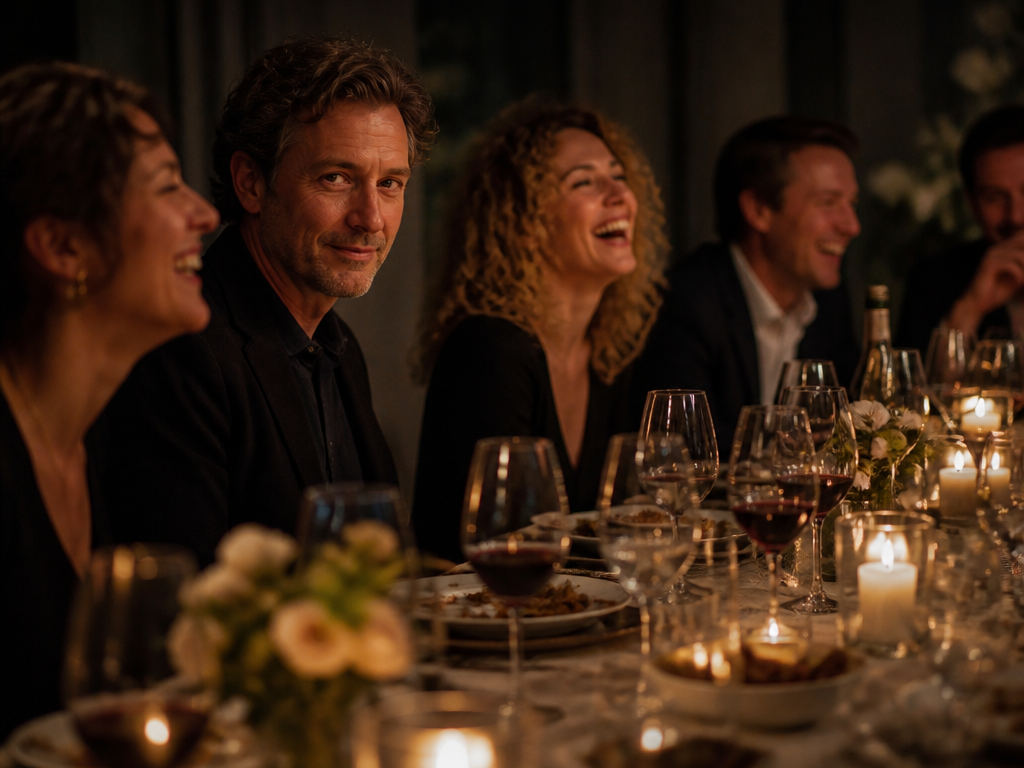
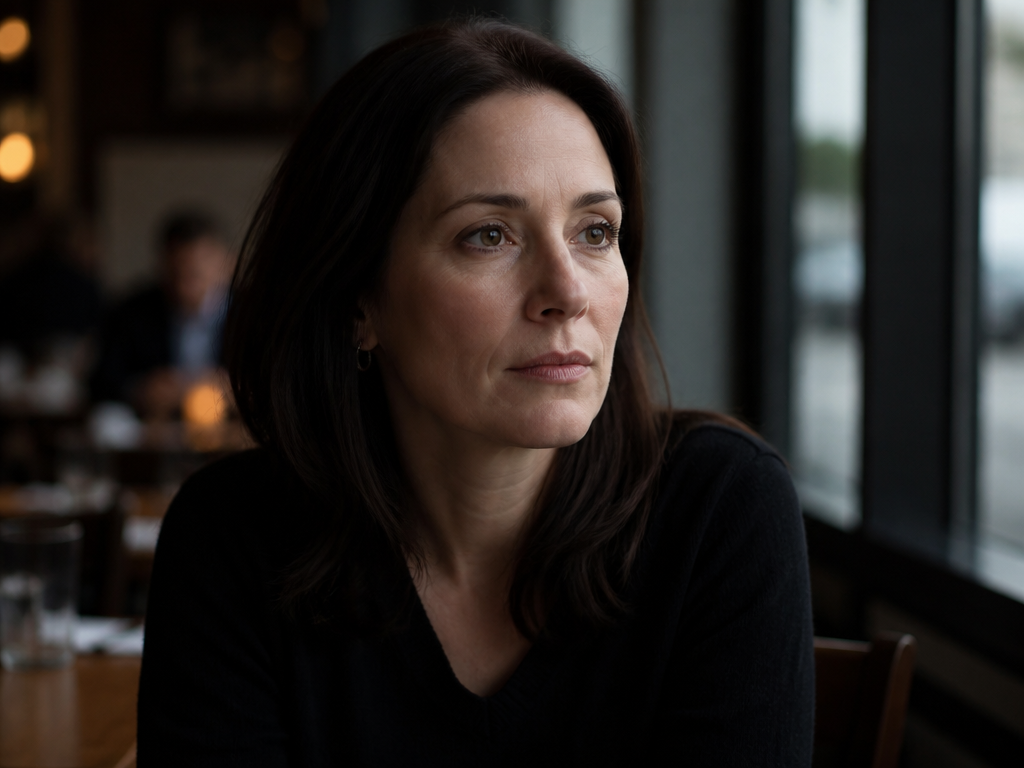
The cost of the notebook is the kind you don't itemize until much later. I was with someone once who cried at things easily, openly, without seeming to think it cost her anything. We were watching something ordinary, and she was just — leaking, quietly, her hand over her mouth. And I heard myself say, "It's a bit much, the way they scored it." She turned and looked at me, not angry, just tired in a way I hadn't earned the right to cause yet. "Why do you always have to do that," she said. Not really a question. "You feel it too. I can see you feeling it. And then you say something about the lighting." I told her I was just noticing the craft. She said, "I know. That's what I mean." I didn't understand for years that she had described me more accurately in eleven words than I had managed in a lifetime of careful notes. She wasn't accusing me of being cold. She was grieving that I kept stepping out of the room right when she'd arrived in it, leaving her there with the feeling we were supposed to be having together.
What I had mistaken for sophistication was a flinch. I had dressed a flinch in good clothes and called it taste.
For a while after a hard year, the analysis stopped working, but so did everything else. Music went flat. Films were just light moving on a wall. I would put on the recordings that used to undo me and feel nothing, not even the urge to reach for a pen, and that was so much worse than crying that I'd have given anything to have my fence back, to at least be standing near the thing I was defending against. You don't know how alive the wanting-to-cry is until it goes. The numbness taught me what the notebook had been protecting — not me, but the feeling itself, kept on ice, kept available. I had been guarding it so jealously I'd nearly let it die of cold.
It came back the way thaw comes back, unevenly, in a car in a parking lot with the engine off and a song I'd heard a thousand times suddenly arriving as if for the first time. I didn't write anything down. I didn't have the notebook. I just sat there with my hands in my lap and let it be much, the way it was always going to be much, the way being built like this means it will always be much.
So I still go to concerts. I still bring the notebook, because old armor is hard to leave at home, and because I'm not interested in the kind of growth that pretends you've stopped being who you are.
Last week, the same half-empty hall, the radiators ticking. The slow movement again. My throat did the thing. My hand went to my pocket. And I took out the notebook and set it on my knee, and I left the pen capped, and I cried where the guard could see me, where anyone could.